
Learning Dashboard
Start your FSA journey with these recommended learning modules tailored to your needs.
Your Learning Modules
Customized to your learning goals.
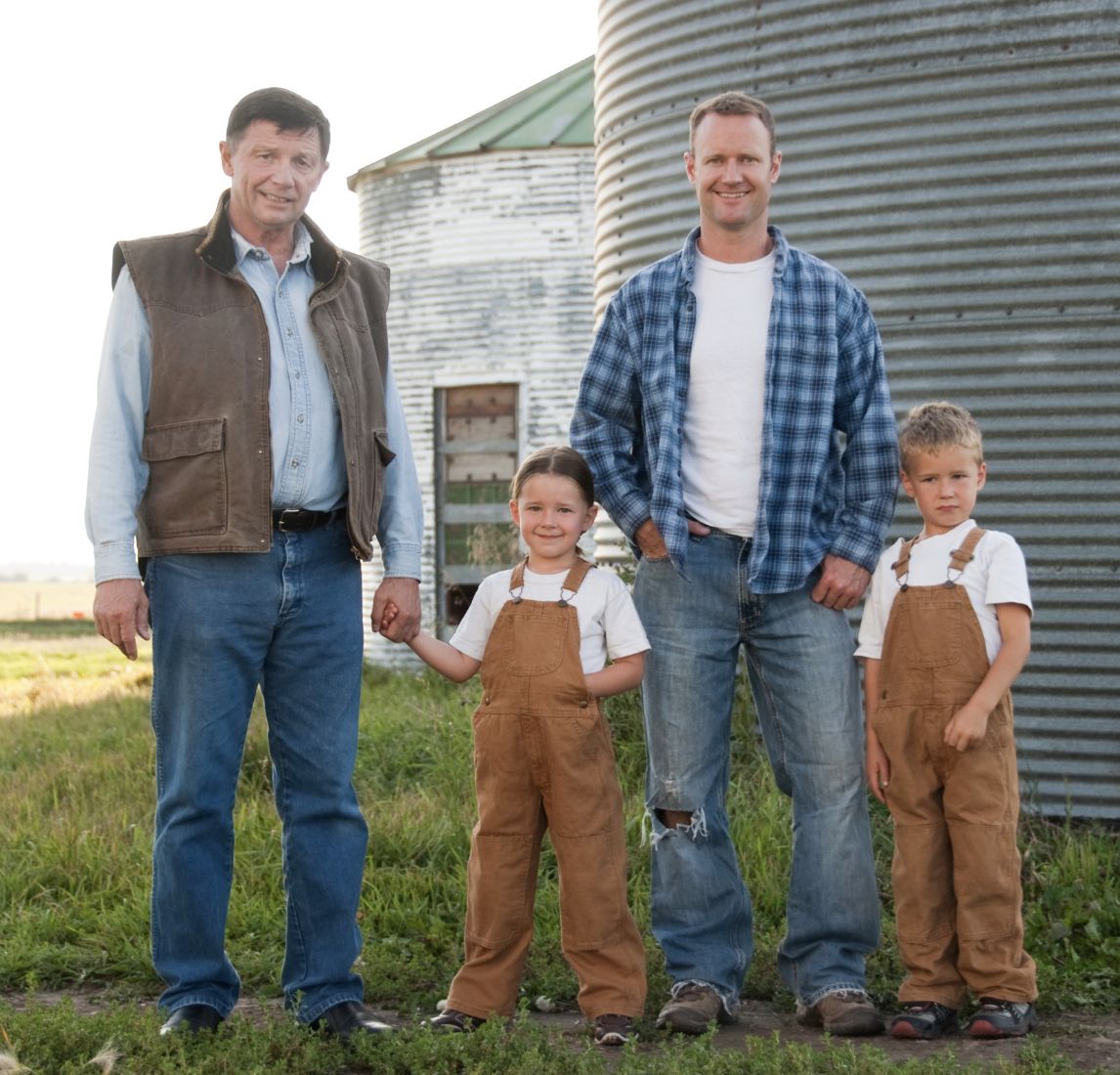
Discover how Farm Service Agency (FSA) programs can support your farming goals. From getting started to maximizing benefits, this guide provides the tools and knowledge you need to thrive.
Livestock, Farm-raised fish, & Honey Bees
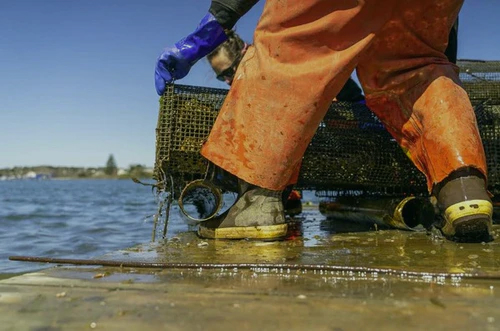
Here you can learn about ELAP's Farm-raised Fish assistance and how to apply!
.jpg)
Here you can learn about ELAP's Honey Bee assistance and how to apply!
.jpg)
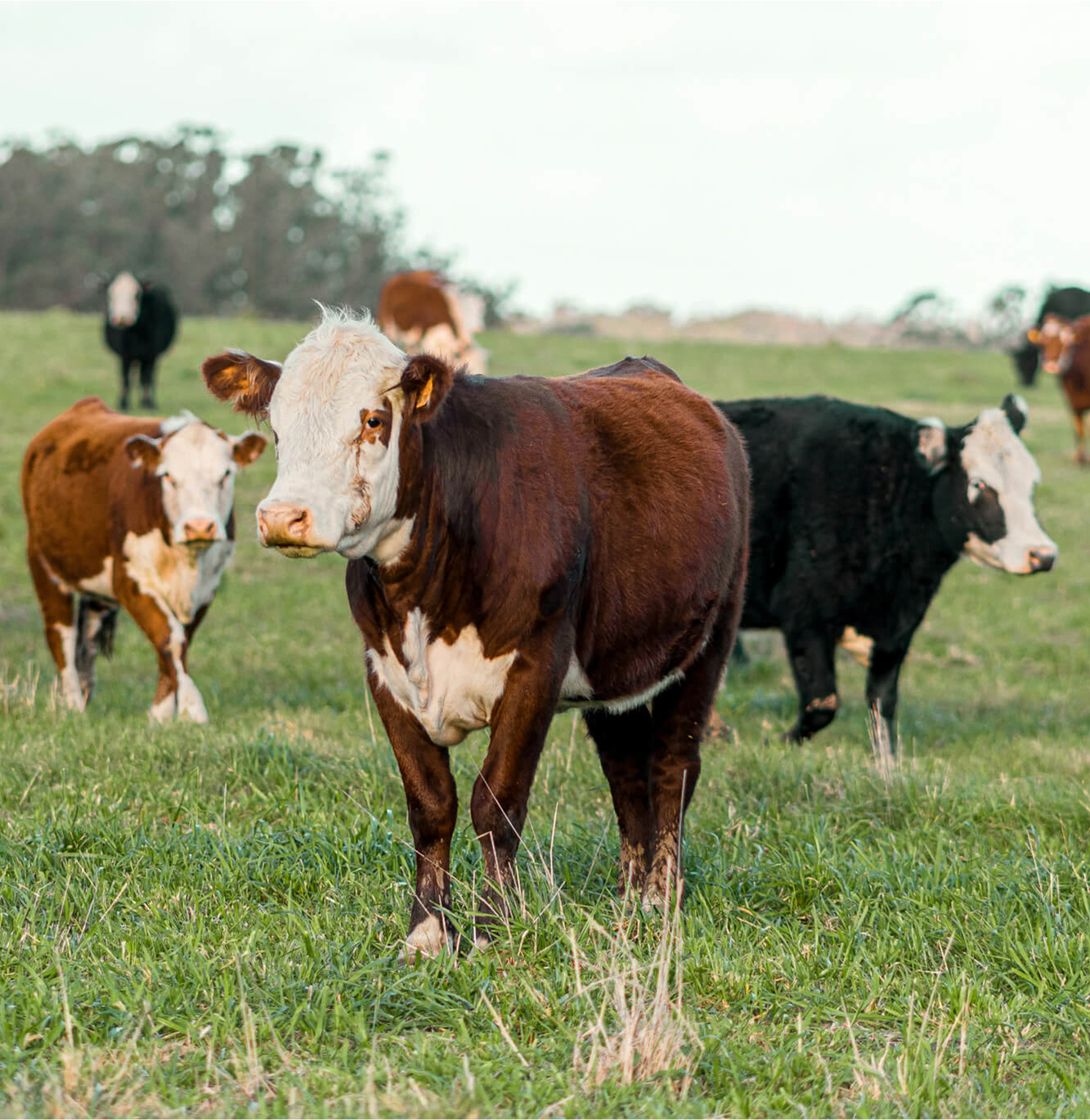
Here you can learn about ELAP Livestock assistance and how to apply!
Disaster Assistance
.jpg)
Emergency Assistance for Livestock, Honey Bees, and Farm-raised Fish (ELAP) Decision Tool

Thank you for your interest in the Livestock Indemnity Program (LIP). Before you make an appointment with your local USDA service center, use this tool to help you gather the information and documentation needed to apply for the program.
Record-keeping
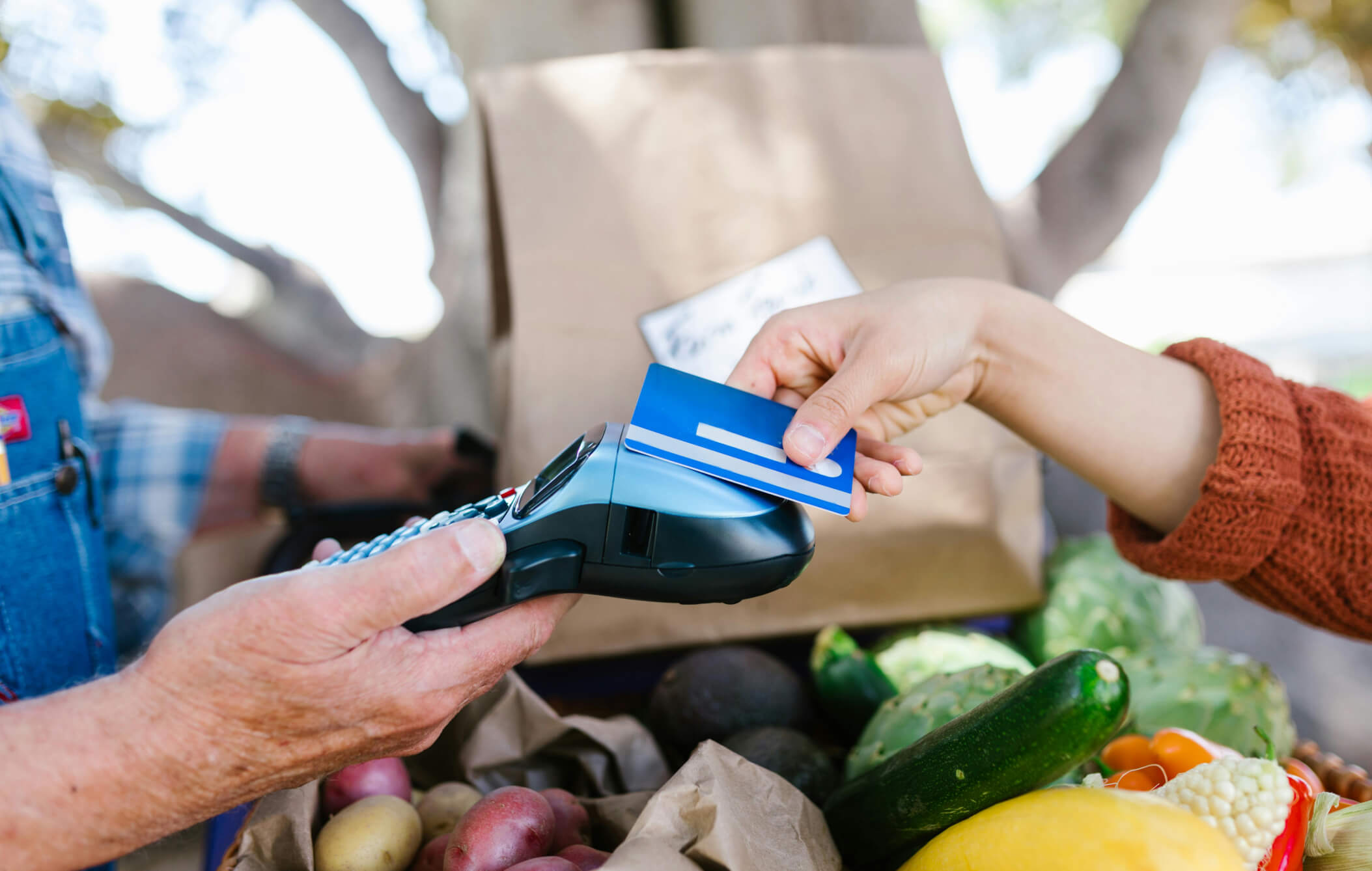
Not only is record-keeping an important aspect of good farm management, but it is also a requirement for many FSA programs.
Crop Insurance
This page offers introductory education of crop insurance, and guidance to the appropriate resources within USDA's Risk Management Agency (RMA) and Farm Service Agency (FSA).
FSA Loans & Grants
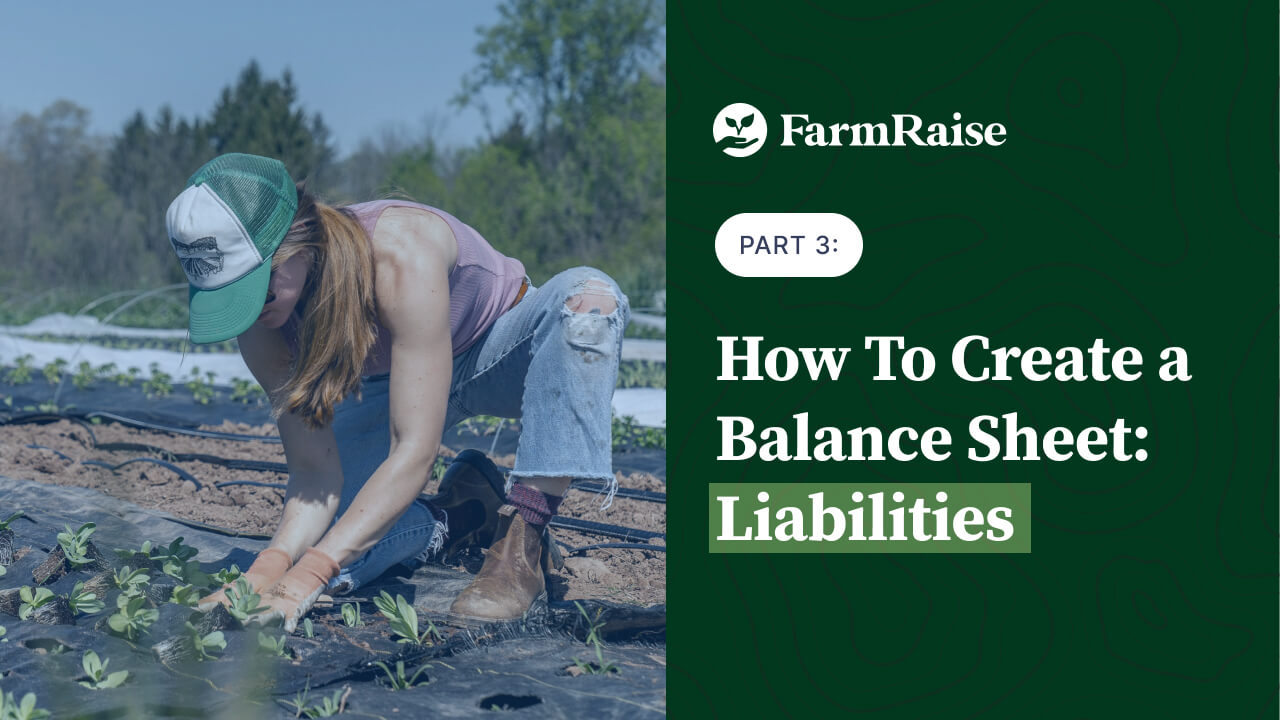
This video provides a step-by-step guide on completing the farm liabilities section of the USDA Farm Service Agency Form FSA 2001 for direct loan assistance, covering how to list and calculate farm and personal liabilities, including accounts payable, notes payable, intermediate and long-term debts, and credit card debts, emphasizing the importance of accurate record-keeping and financial management for a successful loan application.
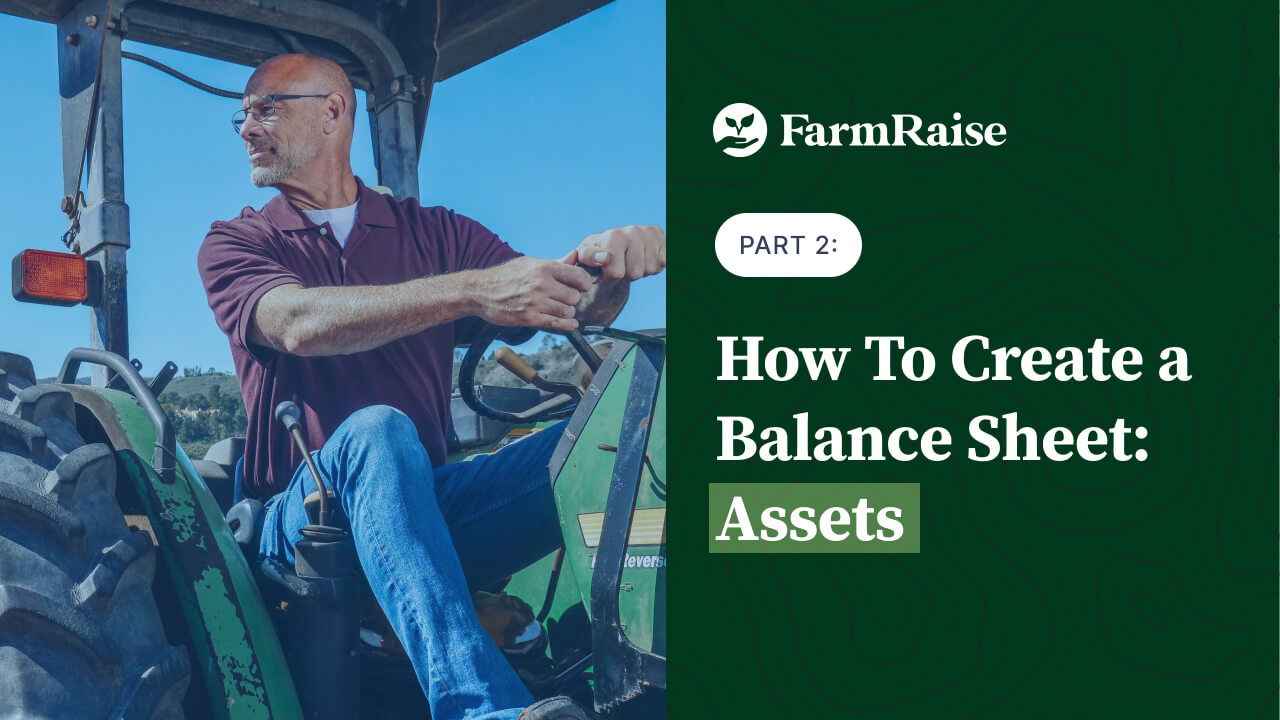
This video is a detailed walkthrough on how to complete the balance sheet section (Part H) of the USDA Farm Service Agency Form FSA 2001 for direct loan assistance, including how to accurately list and value farm assets, such as cash, accounts receivable, crop inventory, growing crops, market livestock, prepaid expenses, machinery, and real estate, emphasizing the importance of accurate recordkeeping and valuation for a successful loan application.

This video is a guide for farmers on preparing a balance sheet for FSA loan applications, explaining this document's importance, key terms, and where to find necessary information. It also provides advice on valuing assets like livestock or crops, the frequency of updates, and handling situations where liabilities exceed assets, emphasizing accuracy and transparency in the application process.
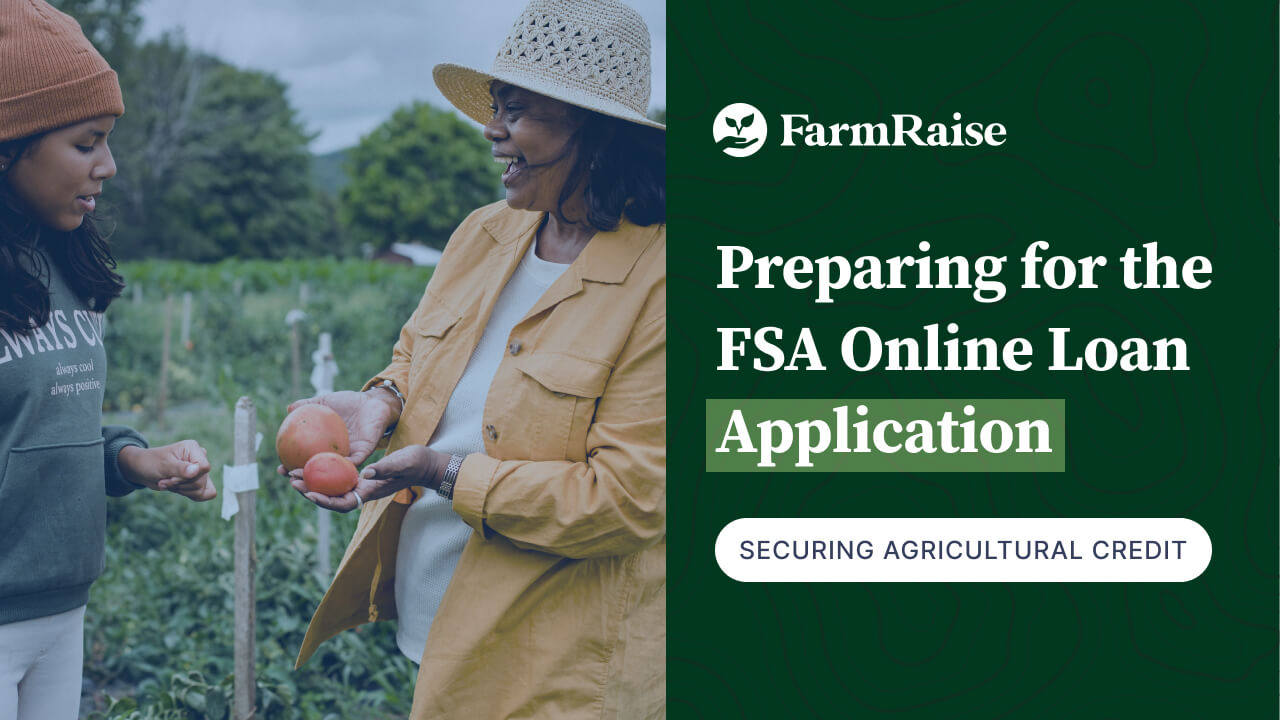
Discover the ease of securing agricultural credit with the USDA Farm Service Agency's online Direct Loan application, streamlining your journey with paperless submissions, electronic signatures, and comprehensive support for crafting your farm's financial plan.

This video introduces the USDA Farm Service Agency's online application for Direct Loans, designed to streamline processes, improve customer service, and expand credit access, featuring a paperless, interactive guided application with electronic signature and document attachment capabilities, initially available for individual producers with plans to expand access in the future.

This video explains the FSA Guaranteed Loan process, through which commercial lenders provide loans with a guarantee against loss by the FSA up to 95%, outlining steps from initial lender consultation to FSA review and approval, including the handling of fees, servicing expectations, and recourse in case of non-approval.

This video provides a comprehensive guide on how to apply for FSA Direct Loans, detailing the steps from determining eligibility to receiving loan approval, and emphasizes the support available through the Farm Service Agency to help farmers start, expand, or sustain their agricultural operations.
Urban Agriculture
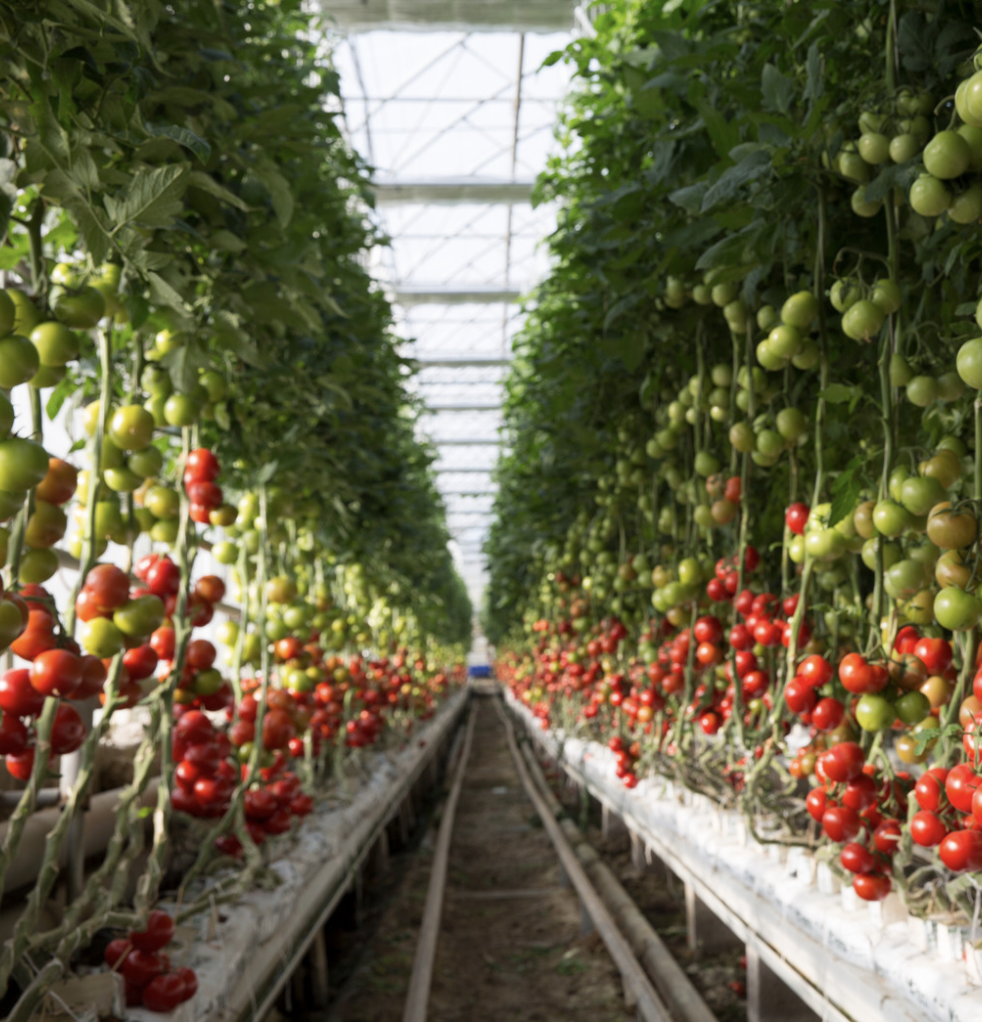
The USDA offers a variety of resources designed to support urban farmers in every stage of their journey. From grants to technical assistance, these programs can help you get started, expand your farm, and adopt sustainable practices. In this section, you’ll find an overview of the most relevant USDA resources, along with tips on how to access the support you need.

Starting an urban farm requires more than just finding the right space—you’ll also need to understand and comply with local city regulations. Urban farming can be subject to various zoning laws, permits, and health standards, depending on your city and the type of farming you plan to do. Knowing how to navigate these regulations will ensure that your farm operates legally and can thrive within your community.

Choosing the right crops for your urban farm is essential for making the most of your available space. This section will guide you through selecting crops that thrive in your environment and offer high yields, while also helping you optimize your space for maximum productivity.
FSA Programs
The Food Safety Certification for Specialty Crops Program (FSCSC) provides financial assistance to specialty crop producers for obtaining food safety certifications. This program helps ensure that specialty crops meet food safety standards and supports the agricultural sector in maintaining high-quality products.
The Graze-Out Program provides financial assistance to producers who choose to graze livestock on their acreage planted with wheat, barley, oats, or triticale instead of harvesting the grain. This program supports livestock grazing and offers payments in lieu of traditional loan deficiency payments (LDP).
The Sugar Loan Program provides sugar producers with interim financing at harvest time to meet cash flow needs without having to sell the commodity when market prices are typically at their lowest. This program supports the orderly marketing of sugar throughout the year and ensures a minimum price floor for producers.
The Sugar Storage Facility Loan (SSFL) Program provides low-interest loans to sugar producers and processors to construct or purchase storage and handling facilities, equipment, and trucks. This program aims to improve storage, handling efficiency, and product quality.
The Farm Storage Facility Loan (FSFL) Program provides low-interest financing to help producers construct or upgrade farm storage and handling facilities. This program supports the acquisition, construction, and enhancement of storage facilities and equipment to improve on-farm storage capacity and efficiency.
The Organic Dairy Marketing Assistance Program provides financial assistance to organic dairy producers to offset market volatility, transportation costs, and unstable feed supply and prices. In 2024, ODMAP made available approximately $58 million in marketing assistance to eligible organic dairy producers based on 2023 marketing costs.
Ownership Microloans provide small, flexible loans to help beginning, niche, and small family farm operations purchase or improve farmland and buildings. These loans support the acquisition of land, construction or improvement of farm structures, and other capital expenses necessary to establish and sustain agricultural operations.
Operating Microloans provide small, flexible loans to help beginning, niche, and small family farm operations meet their operational needs. These loans support the purchase of equipment, livestock, feed, seed, supplies, and other essential items to sustain and improve farming operations.
The Reimbursement Transportation Cost Payment (RTCP) program provides financial assistance to farmers and ranchers to help offset the high costs of transporting agricultural commodities and inputs. This program aims to support producers in Alaska, Hawaii, and insular areas where transportation costs are significantly higher.
Loan Deficiency Payments (LDP) provide financial assistance to producers of eligible commodities who agree to forego a Commodity Credit Corporation (CCC) loan in return for a payment when market prices are below the established loan rates. This program supports farmers by providing an alternative to taking out a loan, helping to stabilize income when market prices are low.
The Dairy Indemnity Payment Program (DIPP) provides financial compensation to dairy producers who have suffered income losses due to the contamination of milk or the removal of dairy cows because of residues, chemicals, toxic substances, or nuclear radiation or fallout. The program aims to help dairy farmers recover from these unexpected and unavoidable losses.
Youth Loans provide financial assistance to young people aged 10 to 20 to finance income-producing, agriculture-related projects. These projects must be part of an organized and supervised program, such as 4-H, FFA, or a similar organization, and are aimed at fostering the development of agricultural skills and experience.
The Conservation Reserve Program (CRP) provides financial compensation to farmers and landowners to remove environmentally sensitive land from agricultural production and implement conservation practices. This program aims to improve water quality, reduce soil erosion, and enhance wildlife habitat.
The Conservation Reserve Enhancement Program (CREP) is a voluntary program that provides financial incentives to farmers and landowners to implement CRP practices that address high-priority conservation issues. CREP targets specific state, tribal, and nationally significant agricultural and environmental concerns, such as water quality, soil erosion, and wildlife habitat.
The Certified Mediation Program (CMP) provides agricultural producers, their creditors, and other stakeholders with a confidential and neutral platform to resolve disputes. This program helps facilitate mutually agreeable solutions through mediation, promoting better communication and reducing the need for litigation.
The Emergency Assistance for Livestock, Honey Bees, and Farm-Raised Fish Program (ELAP) provides financial assistance to eligible producers who experience losses due to disease, adverse weather, or other conditions not covered by other disaster programs. ELAP helps mitigate the financial impact of these unexpected events on livestock, honey bees, and farm-raised fish operations.
Farm Operating Loans provide financial assistance to farmers and ranchers for a wide range of operating expenses. These loans support the purchase of livestock, equipment, feed, seed, supplies, and other essential items needed to sustain and improve agricultural operations.
The Noninsured Disaster Assistance Program (NAP) provides financial assistance to producers of non-insurable crops when low yields, loss of inventory, or prevented planting occur due to natural disasters. This program helps to mitigate the financial impact of these adverse events on agricultural operations.
.svg)